|
|
|
|
|
|

|
|
|
|
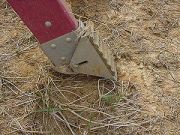
Step 5: On loose soil, the feet should firmly dig into the ground. On flat surfaces, the rubber feet should firmly grip. |
|
|
|
|
|
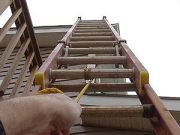
Step 6: Raise the extension ladder in the unextended position. Once upright, raise the ladder, pulling on the rope. Never climb past the third rung from the top of a ladder. If you plan to access the roof, the ladder should extend 3 feet past the edge of the roof. |
|
|
|
|
|
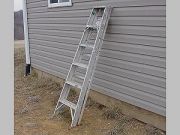
Step 7: Using a Step Ladder When using a step ladder, you should always open the ladder and place this about 2 feet from the wall or building. You should not lay the ladder against the building. |
|
|
|
|
|
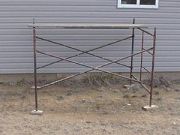
Step 8: Using Scaffolding If you are using scaffolding, assemble the end units with cross ties where you plan to be working. The scaffolding is made of stackable units. |
|
|
|
|
|
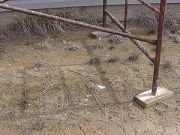
Step 9: Start with assembling the feet, or at least protect the bottom-most stand by placing a block of wood to keep the base from sinking into the ground. |
|
|
|
|
|
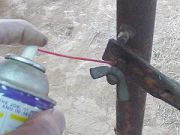
Step 10: Be sure to keep the nuts and wing nuts lubricated. |
|
|
|
Step Ladders: Never climb past the second rung from the top. |
|
|
|
Extension Ladders:
Single section ladders should not exceed 30 feet |
|
|
|
All Ladders: Do not carry tools in hands. Use a tool pouch or belt. |
|
|
|
Ladders Inspection: GENERAL |
|
|
|
|

|
|
|
|
|
Related articles
|
||||