|
|
Making Electrical Connections |
|
Making electrical connections is a fairly common procedure and needs to be done correctly and carefully. If you don't make tight connections, heat can build up between the conductors and cause a fire. Also make sure that the conductors you are connecting are of like metals and the power is OFF. Use a tester to make sure that line is not live. If you do not know how to test wires, click here. Select the appropriate gauge wire with the right casing for the job |
 |
|
|
||
|
Items needed:
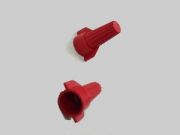
Wire Nuts
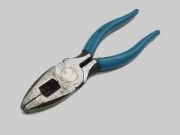
Electricians Pliers Wire Cable Ripper Stripper Electrical Tape |
Safety Suggestions and Tips
Be sure that the power is OFF
Do not nick the wire After twisting wire pair, cut off excess, leaving about 1/2 to 5/8" of bare wire |
Level of difficulty
 Time Required: 1 hour
|

|
|
Steps |
|
|
|
|
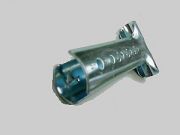
Step 1: First a note about safety: Make SURE that you are not working on live wires. If you are using cable that has a non-metallic sheathing (Romex), use a cable stripper. |
|
|
|
|
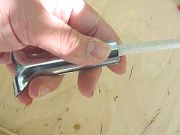
Step 2: Simply clamp the stripper over the cable and pull it towards the end of the cable |
|
|
|
|
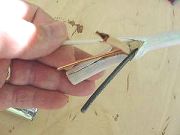
Step 3: Pull back the sheathing and expose the wires. Cut the sheathing off with a utility knife. Make sure you examine the insulation on the wires to make sure the stripper didn't tear it. |
|
|
|
|
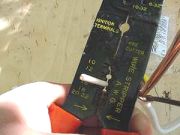
Step 4: Expose about an inch of the bare wire by placing a wire stripper over the wire, clamp it over the wire, twist it once and then pull it towards the end of the wire. Repeat this for the other conductor. Pull the paper insulation from the ground as well. |
|
|
|
|
Step 5: Put the conductors next to each other and put the exposed ends. |
|
|
|
|
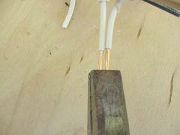
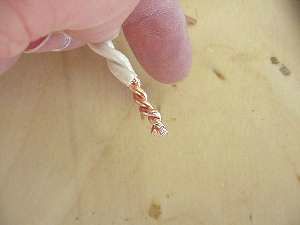
Step 6: Twist together using electrician pliers. Other pliers will work, but not as well. |
|
|
|
|
|
Step 7: Select the appropriate size wire nut. |
|
|
|
|
|
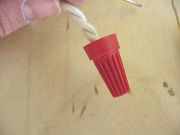
Step 8: Twist it over the end of the wire until the nut becomes difficult to turn. Make it good and firm. |
|
|